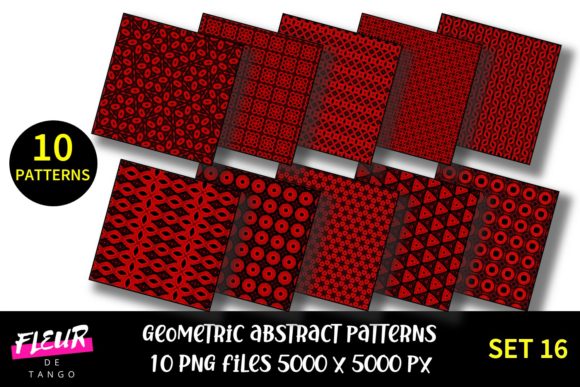
Geometric Patterns Digital Paper Set 16: A Strategic Resource for Creative Professionals
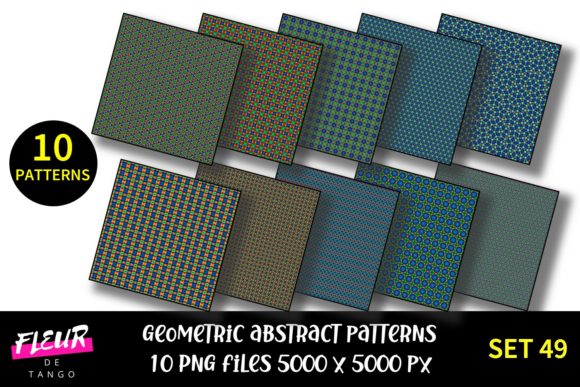
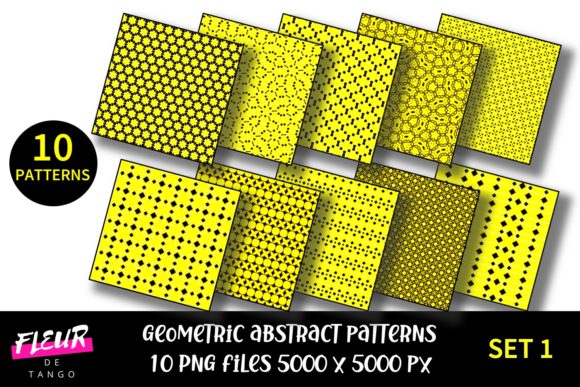
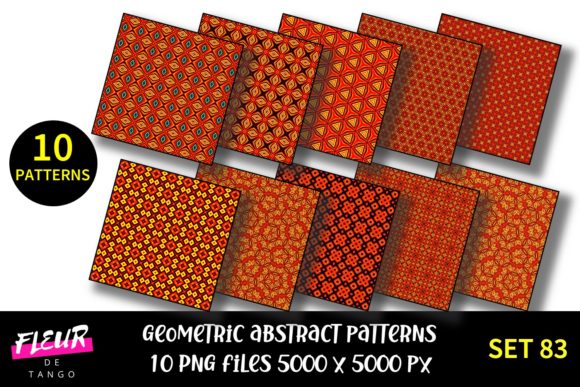
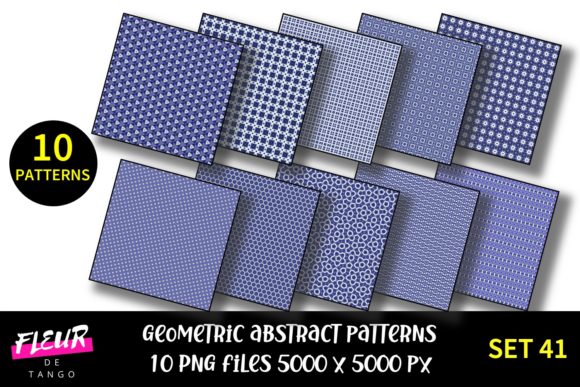
Geometric Patterns Digital Paper Set 16 offers a curated collection of ten high‑resolution PNG files, each measuring 5000×5000 pixels, with several patterns designed as seamless tiles. Whether you are a small business owner designing packaging, a freelancer creating social media banners, or a hobbyist working on scrapbooks, this set provides a versatile foundation for visual communication. The key to extracting long‑term value lies not in the patterns themselves but in how intentionally you deploy them across your projects.
Why Thoughtful Pattern Selection Supports Your Creative Goals
Patterns are more than decorative fillers; they carry psychological weight and can influence how your audience perceives a brand or message. Geometric patterns, in particular, evoke structure, precision, and modernity. When you choose a specific motif from Geometric Patterns Digital Paper Set 16, you are making a statement about order, reliability, or forward‑thinking design. This is especially relevant for entrepreneurs and marketers who want their materials to communicate professionalism without using overt logos or text.
Consider a business card printed with a subtle geometric tile from the set. A potential client who picks up that card may subconsciously associate the clean lines with your operational efficiency. Similarly, an art print featuring a bold, non‑seamless pattern can become a conversation starter in a waiting room, reinforcing your brand’s attention to detail. The strategic use of patterns moves beyond decoration; it becomes a deliberate tool for shaping first impressions and reinforcing core values.
Planning Your Projects Around the Set’s Strengths and Limits
Before diving into a project, take inventory of what Geometric Patterns Digital Paper Set 16 offers and where it may fall short. The set includes ten distinct designs, some of which are seamless and some that are not. Seamless patterns are ideal for repeating backgrounds on websites, wrapping paper, or fabric prints where continuity matters. Non‑seamless designs work beautifully as standalone focal points – for example, on a book cover, a social media banner, or a large‑format poster where a single composition draws the eye.
Planning also means considering scaling and resolution. At 5000×5000 pixels, each PNG gives you plenty of room to crop, resize, or combine with other elements without losing quality. If you intend to use a pattern as a background for a mobile‑first website banner, you might want to test how the pattern looks when reduced to 1200×628 pixels. Because the set includes high‑resolution files, you can crop a portion of a non‑seamless pattern to create a unique, non‑repeating background that feels custom‑made for your brand.
Another planning point: the absence of watermarks. You have full freedom to incorporate these designs into final products, including physical merchandise (print on demand usage is allowed). This makes the set suitable for scaling from a single invitation to a full line of stationery or apparel. However, think about the long‑term consistency of your visual identity. If you use one pattern for a logo and another for packaging, the two should share a similar color palette or geometric language to avoid jarring transitions.
Strategic Use Cases Across Branding, Packaging, and Digital Media
Branding efforts benefit from pattern sets because they allow you to create cohesive visual systems without hiring an illustrator for every asset. Use a seamless pattern from Geometric Patterns Digital Paper Set 16 as a subtle watermark on website headers or email templates. Apply a different, bolder pattern to product packaging to differentiate SKUs within a product line. The non‑seamless patterns work well as hero images on landing pages, where a single geometric composition can frame a call‑to‑action button or a product shot.
For social media content, patterns can serve as consistent background textures for quote cards, infographics, or promotional posts. A geometric tile repeated across Instagram stories creates brand recognition even before the user reads the caption. In e‑commerce listings, using the same pattern on multiple product images builds a unified shop aesthetic, which can increase trust and reduce bounce rates.
Print applications are equally versatile. Scrapbookers can use the patterns as backgrounds or page accents. Educators designing classroom materials can incorporate geometric tiles to create visually structured worksheets or flashcards. Small business owners creating flyers or menu cards will find that a well‑chosen pattern elevates the perceived value of the printed piece. The key is to match the pattern’s complexity to the project’s purpose: a dense, busy pattern might overwhelm a text‑heavy brochure, while a sparse, linear tile can guide the eye without distraction.
What to Consider Before Relying on Pattern Sets Without Clear Goals
Using Geometric Patterns Digital Paper Set 16 without a clear purpose can lead to visual noise rather than visual clarity. One common risk is overusing patterns across too many channels, diluting the very distinctiveness you are trying to build. If every touchpoint – from business cards to website background to product packaging – features a different geometric tile, customers may struggle to form a consistent mental image of your brand. The set gives you ten options, but you likely need only one or two for a single campaign.
Another risk is ignoring the non‑seamless limitation. If you attempt to repeat a non‑seamless pattern across a large surface without careful alignment, you may end up with visible edges or mismatched lines. Always test the pattern in your layout software first. For seamless applications, double‑check which files are actually tileable; the set description notes that not all patterns are seamless, so verify before committing to a repeating background design.
There is also the temptation to treat patterns as shortcuts. A geometric background can make a flyer look modern, but it cannot compensate for poor typography, weak copy, or unclear messaging. The patterns work best when integrated into a larger design strategy that includes strong content and intentional layout. Relying solely on the pattern to carry the visual load often results in a design that feels generic rather than custom.
Practical Decision‑Making: When and How to Use These Patterns
Start by defining the primary goal for each project. If the goal is brand recognition, select one pattern that aligns with your brand attributes – for example, a sharp, angular tile for a tech startup or a softer, overlapping circle pattern for a wellness brand. Use that pattern consistently as a background or accent across at least three different assets (e.g., business card, website header, social media template) to build visual memory.
If the goal is to increase engagement on digital platforms, consider using a non‑seamless pattern as a full‑page background behind a short promotional video or an interactive quiz. The high resolution ensures it looks crisp on retina displays. Alternatively, for print‑on‑demand products like phone cases or tote bags, use a seamless pattern that covers the entire surface area. Because the files are PNGs with transparent backgrounds if needed (though the set likely includes opaque backgrounds – check the file properties), you can layer text or images over the pattern as long as contrast is maintained.
In collaborative settings (e.g., a marketing team producing a series of ebook covers), divide the set among different campaigns but keep a consistent color filter or overlay so that all covers feel part of a family. This approach preserves variety while enforcing unity. For educators or publishers, the patterns can be used to create age‑appropriate learning materials: simpler geometric shapes for younger children, more complex tessellations for older students.
Long‑Term Value: Building a Cohesive Visual Library
Geometric Patterns Digital Paper Set 16 is not a one‑time resource; it can anchor an expanding visual library. Over months or years, you might supplement it with additional pattern sets, custom vectors, or photography. The value of this initial set lies in its ability to provide a consistent geometric language that you can build upon. Save the original PNGs in a dedicated folder, and index them by style (seamless vs. non‑seamless) and primary usage (background, focal element, accent). This makes retrieval fast when you are under deadline.
Consider creating style guides for your brand or organization that specify which patterns from this set correspond to which applications. For example, “Pattern A (seamless diamond) = digital backgrounds; Pattern D (non‑seamless hex) = print promotional materials.” Such documentation ensures that even if you hand off design tasks to a freelancer or employee, the visual integrity remains intact. This is particularly valuable for growing businesses that need to scale their brand presence without constant oversight.
Over time, you may discover that certain patterns become signature elements of your creative output. That is a sign of successful strategic use. Conversely, if you find that you never use a particular file, archive it for a future project that demands a different design direction. The flexibility of the set – ten distinct looks in one download – supports both focused repetition and creative exploration, as long as each use is grounded in a clear plan.
Measuring the Impact of Intentional Design Choices
Finally, treat your use of geometric patterns as an experiment worth tracking. If you redesign your website background using a seamless pattern from the set, measure changes in bounce rate, time on page, or click‑through rates. For social media posts, A/B test a pattern background against a solid color background and compare engagement metrics. For print materials like business cards, collect informal feedback from clients about the overall impression. These measurements turn pattern selection from a subjective aesthetic choice into a data‑informed decision.
Geometric Patterns Digital Paper Set 16 provides a high‑quality starting point, but the true differentiator is your strategic intent. When you plan around the set’s strengths, align patterns with clear goals, and consistently evaluate the results, these ten PNG files can become a durable asset for everything from scrapbooking to professional branding. The patterns themselves are beautiful; the outcomes, when handled thoughtfully, can be even more so.