Ornament Lotus Mandala Patterns: A Practical Guide to Design, Formats, and Creative Use Cases
Mandala design has long been a cornerstone of spiritual art, meditation aids, and decorative graphics. Among the many variations available today, Ornament Lotus Mandala Patterns stand out for their intricate symmetry and botanical inspiration. Whether you are a graphic designer building a branding toolkit, a hobbyist exploring digital art, or a small business owner creating product packaging, understanding what these patterns offer—and how they compare with other mandala resources—can help you choose the right tool for your project.
This article walks through the characteristics of Ornament Lotus Mandala Patterns, examines their practical strengths and limitations, compares them with similar categories of design assets, and offers guidance on when they may—or may not—be the best fit for your work.
What Are Ornament Lotus Mandala Patterns?
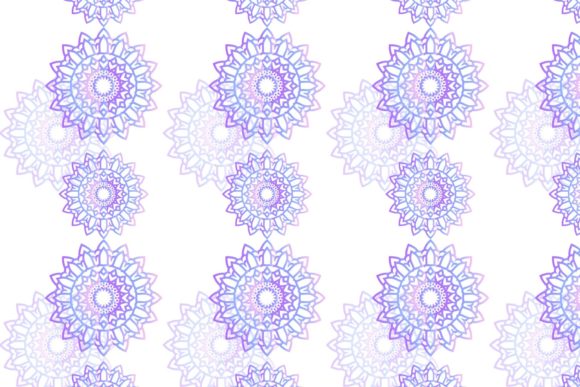
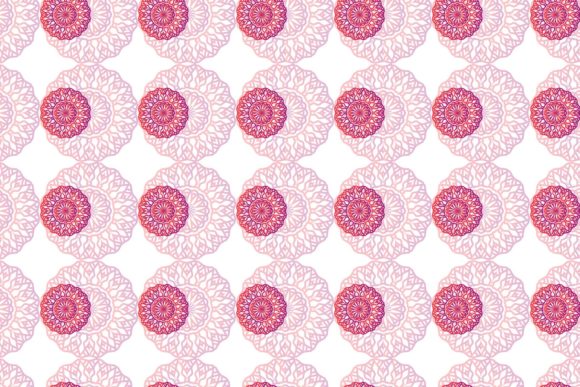
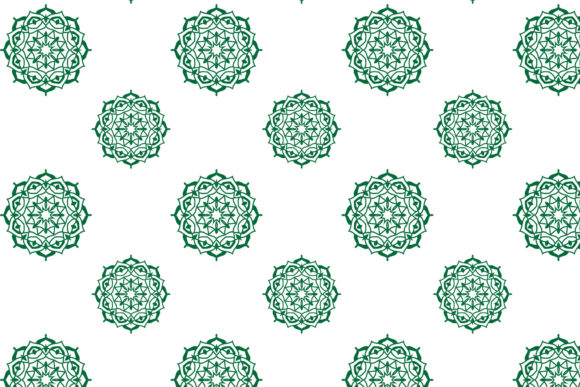
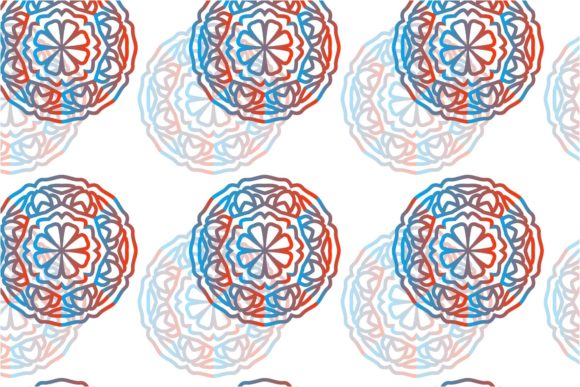
Ornament Lotus Mandala Patterns combine the geometric repetition of traditional mandalas with the organic forms of lotus petals, leaves, and ornamental flourishes. The result is a design style that feels both structured and fluid. Unlike purely geometric mandalas, which rely on circles, triangles, and repeating lines, the lotus motif introduces curved, overlapping layers that suggest growth, balance, and natural harmony.
A typical design in this category includes radial symmetry, layered petal shapes, and intricate fill patterns. The lotus itself carries cultural and spiritual significance in many traditions, symbolizing purity, enlightenment, and rebirth. When rendered as a mandala, it becomes a versatile visual element suitable for everything from yoga studio branding to fabric prints, website backgrounds, and wall art.
What makes these patterns distinct is not just the subject matter but the level of ornamental detail. Many ready-to-use designs feature dozens of individual elements arranged around a central point. The result is visually rich, often requiring a high-resolution canvas to capture the fine lines and subtle gradients. A standard 1920x1280 pixel canvas, for instance, provides enough detail for both screen display and medium-format print applications.
How Ornament Lotus Mandala Patterns Compare with Other Mandala Styles
When evaluating Ornament Lotus Mandala Patterns, it helps to place them alongside the broader landscape of mandala design resources. Here are several categories you might encounter, along with the key differences.
Geometric Mandalas vs. Lotus-Based Designs
Geometric mandalas are built from circles, polygons, and radial lines. They tend to feel precise, mathematical, and minimalist. Ornament Lotus Mandala Patterns, by contrast, incorporate curved, natural shapes. If you need a clean, modern look for a tech brand or architectural application, geometric mandalas may be a better fit. For projects involving wellness, nature, spirituality, or organic aesthetics, the lotus-based style often communicates warmth and depth more effectively.
Hand-Drawn vs. Vector Mandalas
Some mandala patterns are hand-drawn or painted, resulting in unique textures and slight imperfections. Others are created as crisp vectors with clean lines and uniform thickness. Ornament Lotus Mandala Patterns delivered as AI, EPS, or SVG files belong to the vector category. This offers advantages in scalability and editing flexibility. You can resize the design from a business card to a billboard without losing quality. Hand-drawn alternatives may offer more artistic character, but they require careful scanning and cannot be scaled without resolution loss unless digitized.
Single-Motif Mandalas vs. Ornamental Sets
A simple mandala might consist of a single motif repeated around a center. Ornament Lotus Mandala Patterns often include multiple layers of ornamentation: inner lotus petals, outer geometric borders, and decorative fill elements. This makes them more suitable as standalone focal pieces or background textures, whereas simpler mandalas work better as repeating tiles or subtle accents.
Strengths of Ornament Lotus Mandala Patterns
Understanding the advantages of this design style can help you decide whether it aligns with your project goals.
- Visual richness – The combination of lotus shapes and ornamental detailing creates a sophisticated, layered appearance that catches the eye without overwhelming the viewer.
- Scalability – Because these patterns are typically delivered in vector formats such as AI, EPS, and SVG, you can adjust dimensions freely without degradation. This is especially useful for projects requiring multiple output sizes.
- Multi-purpose utility – A single set of files can serve digital screens, printed materials, and even cut files for laser engraving or vinyl decals.
- Cultural resonance – The lotus motif carries positive associations across many cultures, adding subtle meaning to your design without needing extra explanation.
- Easy customization – Since vector files allow you to change colors, remove layers, or combine elements, you can adapt a single pattern to match a brand palette or artistic vision.
Tradeoffs and Limitations to Consider
No design resource is universally perfect. Here are important tradeoffs to weigh when considering Ornament Lotus Mandala Patterns.
- Complexity may limit small-scale use – At very small sizes, such as a favicon or small logo mark, the ornamental details can become muddled. For applications under one inch, a simplified version of the design may be necessary.
- Cultural sensitivity – The lotus has specific meanings in Hinduism, Buddhism, and other traditions. Using it in a commercial context requires awareness and respect. For some audiences, a purely geometric mandala might be more neutral.
- File format learning curve – While AI, EPS, and SVG files offer flexibility, they require compatible software such as Adobe Illustrator, CorelDRAW, or Affinity Designer. If you lack access to these tools, the JPG and PNG versions remain usable, but you lose editing capability.
- Style specificity – The ornamental lotus look is not universal. For minimalist, industrial, or modern corporate branding, a simpler design approach might be more appropriate.
When Ornament Lotus Mandala Patterns Are the Right Choice
Based on the strengths and tradeoffs described, here are scenarios where these patterns tend to perform well.
Branding for Wellness and Lifestyle Businesses
Yoga studios, meditation apps, spas, and organic product lines often benefit from imagery that conveys calm, balance, and natural beauty. Ornament Lotus Mandala Patterns align naturally with these values. The lotus form suggests growth and purity, while the mandala structure implies order and harmony. In such contexts, the design feels intentional rather than decorative.
Print Materials and Packaging
Because the patterns are available in high-resolution formats and scalable vectors, they are well suited for brochures, gift wrap, journal covers, and product labels. The 1920x1280 pixel canvas provides enough detail for most print applications up to about 8x10 inches at 300 DPI. For larger formats, the vector files ensure that fine lines remain crisp.
Digital Backgrounds and Web Graphics
Web designers often need visually engaging backgrounds that do not distract from content. A lotus mandala used as a subtle watermark, hero image overlay, or footer pattern can add depth to a website without competing with text. The PNG format with transparent background makes layering straightforward.
Creative DIY and Craft Projects
SVG files are particularly useful for cutting machines, laser engravers, and print-at-home crafts. If you produce stickers, greeting cards, or custom apparel, the ornamental lotus mandala provides a detailed design that stands out. Multiple file formats mean you can choose the one that matches your workflow.
When Another Option May Be a Better Fit
While Ornament Lotus Mandala Patterns are versatile, they are not the best solution for every project. Consider alternatives in the following situations.
- Minimalist branding – If your brand identity calls for clean lines, negative space, and a modern aesthetic, consider a simple geometric mandala or a single lotus silhouette rather than a heavily ornamental design.
- Tiling backgrounds – For seamless repeat patterns, a simpler motif with fewer delicate details will tile more cleanly. Highly ornate designs can create visual noise when repeated across a page.
- Corporate or institutional use – Many professional contexts favor abstract shapes and restrained color palettes. A symbolic design like the lotus mandala may feel out of place in some corporate environments, where a more abstract geometric pattern would be safer.
- Very small applications – As mentioned earlier, ornamental details are lost at tiny sizes. If you need a design for a small icon or stamp, look for a pattern with simpler, bolder shapes.
Practical Examples of Use
To illustrate how these patterns function in real projects, here are three realistic scenarios.
Example 1: Yoga Studio Brochure
A small yoga studio wants a trifold brochure to promote class schedules and retreats. The owner uses the JPG version of an Ornament Lotus Mandala Pattern as a background watermark on the cover. The semi-transparent lotus adds a serene, professional look. Inside, the SVG version is used to create a small decorative header on each panel. Because the vector file is editable, the studio adjusts the color to match its brand—soft teal and gold.
Example 2: Handmade Product Labeling
An artisan soap maker creates small batches of lotus-scented soap. She downloads an EPS file of a lotus mandala, extracts the central petal motif, and reduces it to fit a two-inch round label. The fine details remain legible after printing on matte sticker paper. She later uses the same file to laser-engrave a wooden stamp for kraft paper packaging.
Example 3: Website Hero Section
A wellness blog specializing in meditation content uses the PNG version of the pattern as a large hero background. The transparency allows a subtle gradient overlay to ensure text readability. The design loads quickly and scales well across devices because the PNG is optimized at 1920x1280 pixels. The blogger notes that the lotus motif reinforces the site's theme without requiring custom illustration work.
Decision Factors to Keep in Mind
Before committing to any particular design resource, consider the following questions.
- What is your primary output medium? If you are working exclusively in print, vector formats (AI, EPS, SVG) give you the most control. For digital-only projects, high-resolution PNG or JPG may suffice.
- Do you need editing flexibility? If you plan to change colors, remove layers, or combine elements, choose a vector format. If you only need a decorative graphic as-is, a raster image may be simpler.
- What is your audience's cultural context? The lotus is widely appreciated, but not universally. Research your audience's associations to avoid unintended messages.
- How much detail is appropriate? Highly ornamental designs work best at medium to large sizes. For small or minimalist applications, look for simpler patterns.
Making an Informed Decision
Ornament Lotus Mandala Patterns occupy a specific intersection of natural form and geometric structure. They are neither purely abstract nor purely botanical, which gives them a unique adaptability. For designers, small business owners, and creative enthusiasts who want a ready-made, high-quality visual asset, having access to multiple file formats on a 1920x1280 pixel canvas removes many of the technical barriers to entry.
That said, no single pattern or set of patterns can serve every need. The strengths of this style—ornamental richness, symbolic depth, and scalability—are also the source of its limitations. If your project calls for simplicity, neutrality, or extreme miniaturization, other options may serve you better.
Ultimately, the best choice depends on your specific use case, your audience, and the tools you have available. By weighing the characteristics of Ornament Lotus Mandala Patterns against the requirements of your project, you can select a resource that enhances your work without forcing a stylistic compromise.