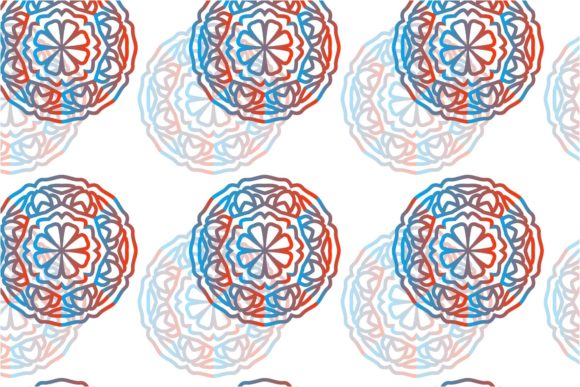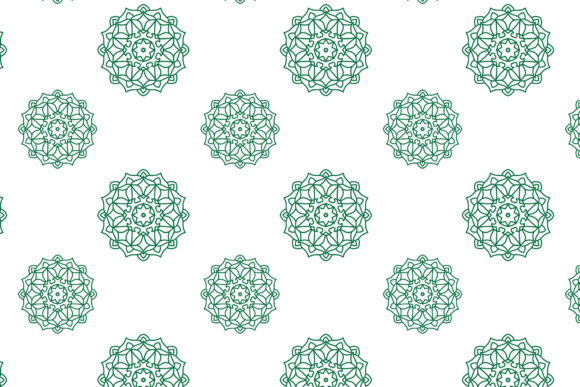
Ornament Mandala Symmetry Patterns and Mandala Design: A Guide to Digital Art Assets
There is something profoundly satisfying about a perfectly balanced mandala. The repetition of form, the mirroring of shapes, and the way each element seems to radiate from a central point create a visual experience that feels both ancient and timeless. When you add ornament mandala symmetry patterns into the mix, you are not just looking at decoration — you are engaging with a structured visual language that has been refined across cultures and centuries. For designers, artists, and creators who work with digital media, understanding how to leverage these patterns effectively can open up new creative possibilities.
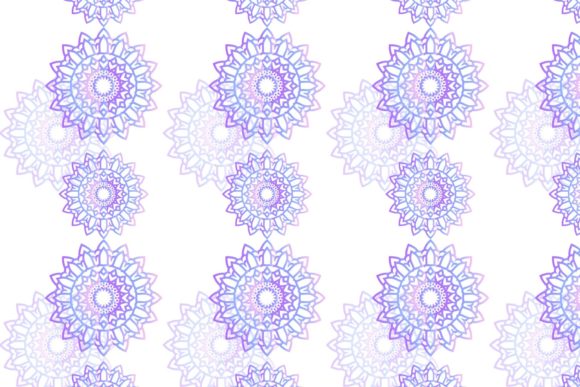
Mandala design is, at its core, about geometry and intention. Every petal, every repeating curve, and every concentric ring serves a purpose. Whether you are creating a logo, designing a textile pattern, or building a visual identity for a brand, the symmetry inherent in mandalas provides a foundation that is both aesthetically pleasing and structurally sound. The balance is immediate. The eye recognizes order without having to search for it. That is the power of ornament mandala symmetry patterns — they deliver visual harmony on first glance, and reveal deeper complexity on closer inspection.
What Defines a Quality Mandala Design Asset
Not all mandala designs are created equal. When you are sourcing digital files for your projects, several characteristics separate a professional-grade asset from something that will fall flat in production. The first consideration is precision. A mandala depends on exact repetition, and even a slight misalignment in a path or curve can break the illusion of perfect symmetry. High-quality vector files ensure that every node and anchor point is mathematically accurate. This is particularly important when you scale the design — a well-constructed mandala remains crisp whether it is rendered at 100 pixels or 10 feet wide.
The second quality is versatility. A single mandala design might need to work across multiple applications: a website header, a printed brochure, an embroidery pattern, or a vinyl decal. This is where having multiple file formats becomes essential. When you receive a design in formats such as AI, EPS, SVG, JPG, and PNG, you have the flexibility to use it in virtually any software environment. AI and EPS files allow you to edit individual elements, change colors, and adapt the design to your specific needs. SVG files are ideal for web use, offering scalable vector graphics that load efficiently and render beautifully on retina displays. JPG and PNG files provide ready-to-use raster versions for mockups, social media, or quick previews.
Canvas size is another factor that professionals consider. A canvas dimension of 1920 pixels by 1280 pixels is a smart choice for several reasons. It matches the standard aspect ratio of many screens and digital displays, making it easy to use the design as a background, hero image, or presentation slide. It also provides enough resolution for high-quality printing at moderate sizes, while remaining manageable in file weight. Five digital files at this canvas size give you a solid foundation for both digital and print workflows.
How Ornament Mandala Symmetry Patterns Fit Into Modern Design Workflows
Designers today work across an increasingly diverse range of media. A single project might require assets that function equally well on a mobile app, a billboard, a fabric swatch, and a social media post. Ornament mandala symmetry patterns are uniquely suited to this reality because they are inherently modular and adaptable. You can extract a single repeating element and use it as a standalone motif. You can rotate, flip, or recolor sections to create entirely new compositions. You can combine multiple mandala layers to build intricate backgrounds that feel rich without being chaotic.
One practical application is in branding and identity design. A mandala-based logo or brand element conveys a sense of tradition, craftsmanship, and attention to detail. Many wellness brands, yoga studios, boutique hotels, and artisanal product lines use mandala motifs because they evoke calm, balance, and intentionality. With a digital mandala file set, you can take a base design and customize it to match a brand's color palette, adjust the density of ornamentation, or simplify the pattern for smaller applications like favicons or app icons.
In the world of print-on-demand and merchandise, mandala designs are perennially popular. T-shirts, tote bags, phone cases, and home decor items featuring intricate mandala patterns sell consistently well. The key to success in this space is having access to designs that are cleanly rendered and easy to manipulate. With editable vector files, you can tweak the design to fit different product shapes and sizes without losing quality. You can also create color variations quickly, offering customers multiple options from a single base design.
For web and UI designers, ornament mandala symmetry patterns serve as exceptional decorative elements. A mandala background can add depth to a landing page without distracting from the content. Used sparingly, it creates a sense of elegance and sophistication. Used as a full-page background with muted opacity, it can establish a strong visual identity. SVG format is particularly useful here because it allows for animation — imagine a mandala that slowly rotates or pulses on a website, adding a subtle dynamic element that delights visitors without overwhelming them.
The Practical Benefits of Having Multiple File Formats
When you purchase or download a set of mandala designs, the value is significantly enhanced by the range of formats provided. Each format serves a distinct purpose, and knowing which one to use can save you time and frustration. AI files (Adobe Illustrator) are the industry standard for professional vector editing. If you need to dissect a mandala, change individual colors, or combine elements from multiple designs, the AI file gives you full control. EPS files offer broad compatibility across vector editing software, including CorelDRAW, Affinity Designer, and even some open-source tools. SVG files are the go-to choice for web development because they are lightweight, scalable, and can be styled with CSS.
Raster formats like JPG and PNG are equally important. JPG files are ideal for photographic contexts or when file size needs to be minimized. PNG files support transparency, which is critical when you want to overlay the mandala onto a colored background or place it within a composite image. Having all five formats in a single purchase means you never have to hunt for a converter or worry about compatibility issues. Everything you need is already prepared.
Another practical consideration is the ease of editing. Some designers want a ready-to-use file that they can drop into a project immediately. Others want to push the design further — maybe they want to change the color scheme, remove certain elements, or combine multiple mandalas into a larger pattern. The AI and EPS files make deep customization possible, while the JPG and PNG files provide instant utility for non-editorial use. This dual-purpose approach is what makes a five-format digital set so valuable.
Scenarios and Recommendations for Using Mandala Designs
Imagine you are designing a wedding invitation suite. You want something elegant, intricate, and romantic. A mandala pattern can serve as the central motif on the invitation, a subtle watermark on the RSVP card, and a repeating background on the envelope liner. Because you have the vector files, you can scale the mandala to fit each element perfectly, adjust the stroke weight, and change the color to match the wedding palette. The symmetry of the design reinforces the formal tone of the event, while the ornamentation adds a handcrafted feel that guests will appreciate.
Now consider a different scenario: you are creating a series of social media graphics for a meditation app. Each post needs to convey tranquility and focus. A mandala with clean, open symmetry patterns works beautifully as a background. You can use the PNG files with transparency to overlay text and icons. You can also create a series of posts by rotating the mandala slightly or zooming in on different sections, giving each image a unique look while maintaining visual consistency. The SVG files could even be used to create simple animated loops for stories or video content.
For those working in product design, mandala patterns are excellent candidates for laser engraving, embossing, or foil stamping. The precision of vector paths translates directly to clean cuts and clear impressions. If you are designing a notebook cover, a jewelry box, or a decorative panel, a mandala motif adds perceived value and craftsmanship. The key is to start with a design that has clear, well-defined paths — and that is exactly what a well-constructed digital file provides.
What to Consider Before Choosing a Mandala Design Set
Before you commit to a particular set of ornament mandala symmetry patterns, there are a few factors worth evaluating. First, consider the level of detail. Highly intricate mandalas are stunning, but they may not reduce well to very small sizes. If you plan to use the design on items like business cards or stickers, look for patterns that retain their clarity at small scales. Conversely, if you are working on large-format prints or posters, dense ornamentation can create a luxurious, immersive effect.
Second, think about the style of symmetry. Some mandalas use radial symmetry with many repeating sections, creating a complex, kaleidoscopic effect. Others use bilateral symmetry, which offers a more grounded, structured appearance. The right choice depends on your project's tone and purpose. For corporate or formal applications, simpler symmetry patterns often work better. For artistic, bohemian, or spiritual themes, more elaborate radial designs can be very effective.
Third, consider your own comfort level with editing vectors. If you are a seasoned designer who works in Illustrator daily, a comprehensive AI file gives you complete freedom. If you are newer to design or working with limited software, having the SVG and PNG formats ensures you can still use the designs without needing advanced editing skills. A good file set accommodates both types of users.
Finally, think about the long-term value. A set of five high-resolution files in multiple formats is not just a one-use asset. It becomes part of your creative toolkit — something you can return to for future projects, adapt for different clients, and repurpose across various media. The initial investment pays dividends every time you reach for that design instead of starting from scratch.
Ornament mandala symmetry patterns and mandala design represent a intersection of art, mathematics, and functionality. Whether you are a professional designer building a brand identity, a small business owner creating merchandise, or an artist exploring pattern and repetition, these digital assets offer a foundation that is both beautiful and practical. With the right files in hand, you can focus on what matters most: bringing your creative vision to life.