Beauty Mandala Patterns Illustration: A Versatile Vector Resource for Creative Projects
When exploring design assets for logos, illustrations, animations, or t-shirt graphics, the balance between aesthetic appeal and practical functionality often determines whether a resource becomes a go-to tool or a one-time download. Beauty Mandala Patterns Illustration refers to a collection of intricate, symmetrical mandala designs rendered as vector graphics, typically packaged in multiple file formats for broad compatibility. More than just a set of decorative motifs, this resource represents a flexible foundation for a wide range of creative applications, from branding to print media. Understanding what it offers, how it performs across different use cases, and where its limitations lie can help you decide whether it fits your workflow and project goals.
Understanding the Scope of Beauty Mandala Patterns Illustration Vector Design Graphic
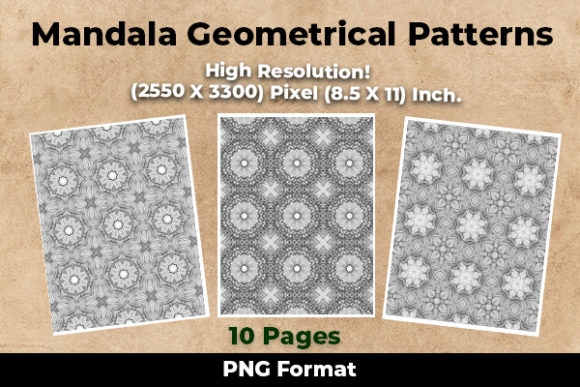
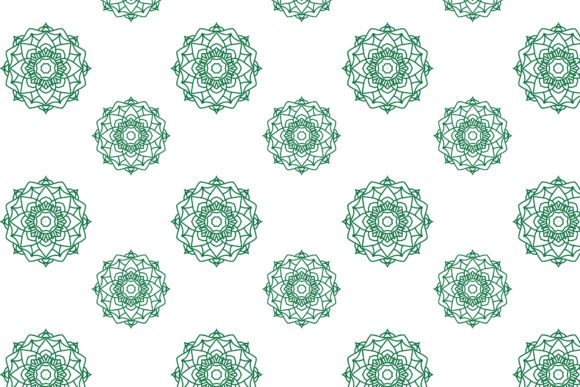
A typical Beauty Mandala Patterns Illustration Vector Design Graphic includes five file types: AI (Adobe Illustrator), EPS (Encapsulated PostScript), PNG, JPG, and SVG. The vector formats (AI, EPS, SVG) allow for infinite resizing without quality loss, while the raster formats (PNG, JPG) provide immediate usability for previews, web use, or quick placements. The designs themselves are built around repeating radial symmetry, floral or geometric elements, and layered details that recall traditional mandala art. Because the files are vector-based, each element—every petal, line, or curve—remains editable in vector editing software such as Adobe Illustrator, Affinity Designer, or Inkscape.
This combination of formats and editability positions the resource as a multipurpose asset. You can open the AI or EPS file to recolor, rescale, or reconfigure the pattern, then export it as needed for a specific project. The SVG format adds web and mobile compatibility, while PNG and JPG cover scenarios where vector software is unavailable. For anyone evaluating a design asset, the range of included formats is a practical consideration—it reduces the need for file conversion and ensures you can work across different stages of a project without compatibility issues.
Key Reasons to Consider This Vector Design Resource
Interest in Beauty Mandala Patterns Illustration often arises from specific creative needs rather than general curiosity. If you are a graphic designer, animator, or branding professional, you may recognize the following motivations:
- Time efficiency. Creating detailed mandala patterns from scratch is labor-intensive. Having a pre-made vector base allows you to skip repetitive drawing and focus on customization.
- Scalability across media. A single vector file can power a small logo, a large banner, or an animated sequence without rework. This reduces file management overhead.
- Consistent visual language. Mandala patterns bring symmetry and harmony to designs. Using a unified set of patterns helps maintain coherence across a brand identity or a product line.
- Licensing clarity. Purchased or downloaded design assets typically come with clear usage rights, which is important for commercial projects such as t-shirt sales or merchandise.
These reasons are practical rather than aesthetic hype. The resource's value lies in how it plugs into existing workflows, not in any claim of artistic superiority.
Benefits of Using Vector Mandala Patterns for Design Work
Vector mandala patterns offer several concrete advantages that directly affect the quality and efficiency of your output. One of the most cited benefits is resolution independence. A vector file defines shapes mathematically, so scaling it to the size of a billboard or shrinking it to a favicon does not introduce pixelation or blurriness. This characteristic is especially important for logos and t-shirt designs, where the same artwork may appear on a business card and a large-format print.
Another benefit is editability. Because the patterns are built from individual paths and anchor points, you can adjust the thickness of lines, change colors, remove unwanted sections, or combine elements from multiple patterns. This level of control is not available with raster-only assets. For animators, SVG files can be imported directly into motion graphics software, allowing for frame-by-frame manipulation of mandala elements without redrawing.
File size is also worth noting. Vector files are generally smaller than high-resolution raster images, which makes them easier to store, share, and load in collaborative environments. However, extremely complex mandala patterns with thousands of anchor points can become larger and may slow down editing software. This is a tradeoff to keep in mind when selecting or simplifying a pattern.
Practical Considerations and Potential Tradeoffs
No design resource is universally perfect, and Beauty Mandala Patterns Illustration has specific considerations that may affect your decision. One important factor is the level of detail. Highly intricate mandala patterns can be difficult to edit cleanly—if you need to adjust a single petal arrangement, you may end up moving dozens of grouped objects. Beginners in vector editing might find this overwhelming, while experienced users will appreciate the precision available.
The file formats themselves carry tradeoffs. AI and EPS files are industry standards but require compatible software. If you work primarily in web-based design tools or prefer open-source options, the SVG format becomes the most practical choice. However, not all SVG exports preserve every effect or gradient, especially if the original design uses Adobe-specific features. It is worth verifying that the SVG file renders correctly in your target environment before relying on it for production.
Another consideration is stylistic fit. Mandala patterns carry cultural and spiritual associations. While they are widely used in contemporary design for their aesthetic qualities, certain contexts—such as medical branding or corporate communications—may require a more neutral or minimalist approach. Evaluating whether the pattern's visual tone aligns with your audience's expectations is part of responsible design decision-making.
Finally, the raster files (PNG and JPG) are included for convenience, but they cannot be resized upward without loss. If you plan to use the pattern at multiple scales, always edit the vector master file and regenerate the raster exports as needed. Relying solely on the included PNG or JPG for large-scale printing may result in suboptimal quality.
Scenarios Where This Resource Excels
Certain projects and workflows align especially well with the strengths of Beauty Mandala Patterns Illustration. Consider the following situations where this vector design graphic is likely to be a strong fit:
- Branding and logo design. A carefully selected mandala pattern can become the centerpiece of a logo, especially for wellness, beauty, or cultural brands. The vector format ensures the logo scales cleanly across all touchpoints.
- T-shirt and apparel graphics. Symmetrical patterns work well on garments, and the editable files allow you to adjust colors to match the fabric or screen printing process. The SVG format is useful for direct-to-garment printing workflows.
- Animation and motion graphics. Because SVG and AI files preserve layer structures, you can isolate elements and animate them independently—rotating petals, scaling rings, or fading layers in and out.
- Digital illustrations and pattern fills. Use the mandala as a repeating pattern in backgrounds, packaging, or social media graphics. The vector format lets you create seamless tiles with minimal effort.
- Multimedia projects with tight deadlines. When you need a polished visual element quickly, having a ready-made vector pattern reduces ideation and production time substantially.
In these scenarios, the resource's combination of formats, symmetry, and editability directly supports the creative and technical requirements.
When Alternatives May Be Worth Considering
There are also situations where a different type of design asset might serve you equally well or better. If your project requires an entirely unique mandala pattern with no resemblance to existing designs, starting from scratch or commissioning a custom illustration may be more appropriate. Pre-made patterns carry an inherent risk of being recognized if used by multiple designers, though this is rarely a problem in practice unless the pattern is extremely distinctive.
If your workflow is entirely raster-based—for example, you work in raster painting software like Procreate or Photoshop—a vector pattern still offers advantages, but the file conversion may introduce friction. In such cases, you might prefer a high-resolution raster image with transparent background (PNG with transparency) rather than navigating vector editing tools. The included PNG file can serve this purpose, but its resolution is fixed, so it may not meet every need.
Another alternative is to use procedural or generative tools to create mandala patterns dynamically. Software like Adobe Illustrator's pattern brush or online mandala generators can produce custom patterns quickly, though they require more setup and learning time. For designers who value original generation over curation, these tools might offer a better long-term solution.
Finally, if your budget is very limited, free vector resources exist on platforms like Freepik, Pixabay, and Wikimedia Commons. However, free resources often come with less consistent quality, fewer file formats, or restrictive attribution requirements. Evaluating the tradeoff between cost and convenience is a practical step in any design resource decision.
Decision-Making Insights for Evaluating This Design Asset
To determine whether Beauty Mandala Patterns Illustration aligns with your goals, start by mapping the resource's features to your specific project requirements. Ask the following questions:
- What output scales do I need? If you require both small and large versions, vector formats are a clear advantage. If all outputs are at a fixed size, raster may suffice.
- What software do I use? AI and EPS files are ideal for Illustrator users. If you rely on Figma, Canva, or Inkscape, verify SVG compatibility first.
- How much customization do I need? Patterns that closely match your vision with minor edits are quick wins. If you need heavy modification, ensure you have the skills and time to edit vectors.
- What is the usage context? For commercial merchandise, check the license terms that come with the download. For personal projects, the included formats are generally sufficient.
- Does the pattern style match my brand? Look at the overall aesthetic—symmetry, detail level, cultural references—and decide if it complements your existing visual identity.
Answering these questions helps you move from general interest to a focused evaluation. It also prevents you from overvaluing features you do not need or undervaluing aspects that matter for your specific use case.
Another practical step is to test the files in your actual workflow before committing to a large project. Open the AI or SVG file, try a simple color change, and export a test print or web graphic. This hands-on assessment reveals any software compatibility issues, file complexity problems, or styling mismatches early, saving time later.
Conclusion
Beauty Mandala Patterns Illustration Vector Design Graphic provides a structured, editable, and scalable foundation for a variety of creative projects. Its inclusion of multiple vector and raster formats addresses common compatibility needs, while the symmetry and detail of the mandala patterns offer aesthetic versatility. The resource is particularly well suited for branding, apparel, animation, and deadline-driven work. At the same time, it requires a basic comfort with vector editing software and an awareness of stylistic fit. By evaluating the resource against your specific workflow, scale requirements, and customization needs, you can confidently decide whether it serves your project or whether an alternative approach would be more effective.